5 Tips for Designing an Accent Wall That Complements Your Space
Accent walls are a popular and stylish way to give your home more character. An accent wall is simply any wall, interior or exterior, that stands apart from other walls due to its color, materials, or design. There are many ways to create a wall that works well with any space, whether it’s a living room, kitchen, office, or another area. Here are 5 tips to help you design an accent wall to enhance any living space.
1. Decide Where You Want an Accent Wall
An accent wall can work in any part of your home. However, it’s important to think about where it will have the most desirable effect. You may want multiple accent walls in various areas. Walk through your home and visualize where you’d like to make a change. Here are some pointers to keep in mind:
- Choose a wall that’s a focal point. The whole point of an accent wall is to command attention. They usually work best on walls that people naturally notice first when they enter a room.
- Solid walls that aren’t broken by doors, windows, or built-in features are best.
- When planning your accent wall, make sure it goes well with the floor and ceiling. You may want to add a carpet that complements the wall. Another idea is to paint the ceiling as well as the wall.
2. Choose the Right Color
Whether your accent wall is created with paint, wallpaper, materials, or a mixture of these, you have to decide which colors will work best.
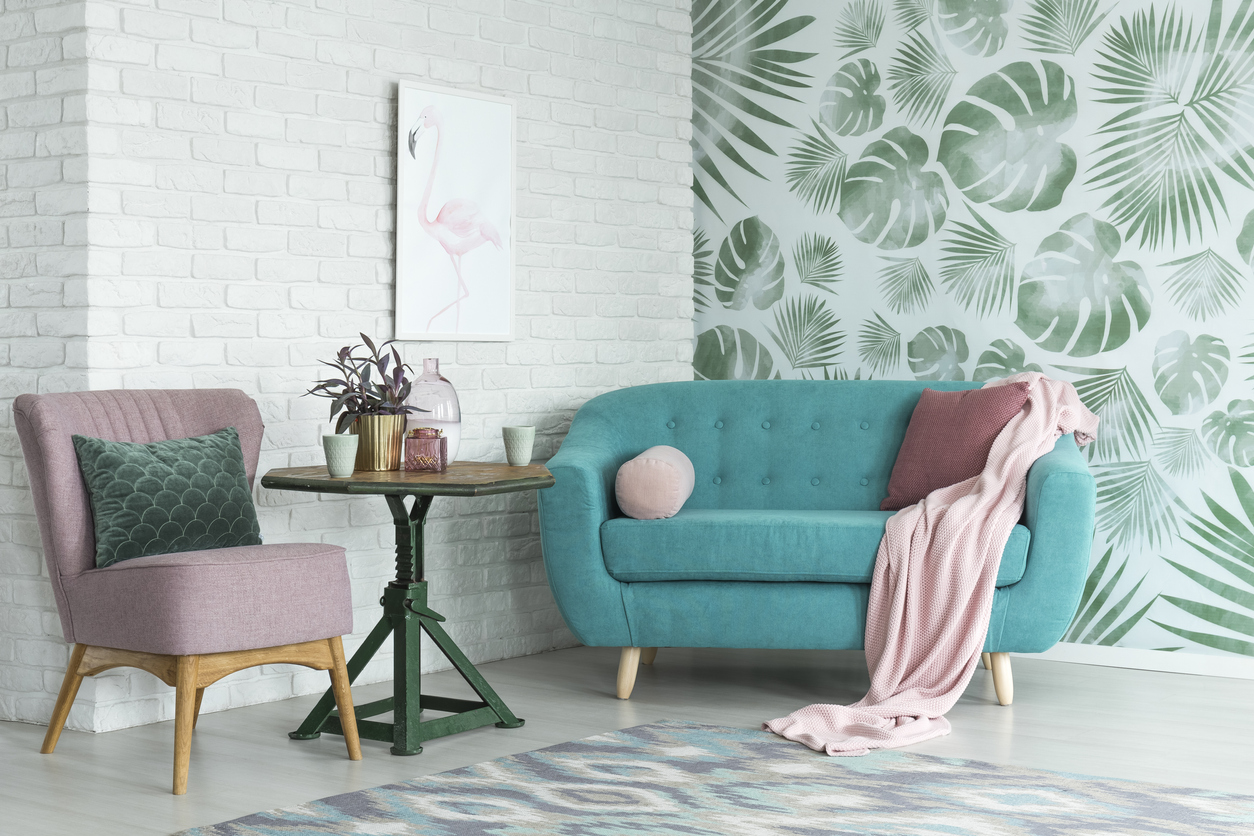
- Use a color wheel to determine which colors go well together. Very often, colors that are opposite on the color wheel, such as blue and orange, look good together. However, you can also choose monochromatic colors, such as different shades of blue or green.
- Get a preview. You can use technology to see how your accent wall will look using different colors. Try a paint color app to get a preview.
- Decide the effect you prefer. If you want a subtle look, choose a neutral color that’s a different shade from another wall. For a bolder effect, choose a contrasting color.
3. Consider the Room’s Lighting
Lighting, both natural and artificial, has a strong impact on the effect of an accent wall. In general, a room with lots of natural light is best as the color will be more noticeable. In a dimmer room, an accent wall can create a closed-in feeling, especially if the room is small. You can also consider lamps and overhead lights.
4. Add Texture
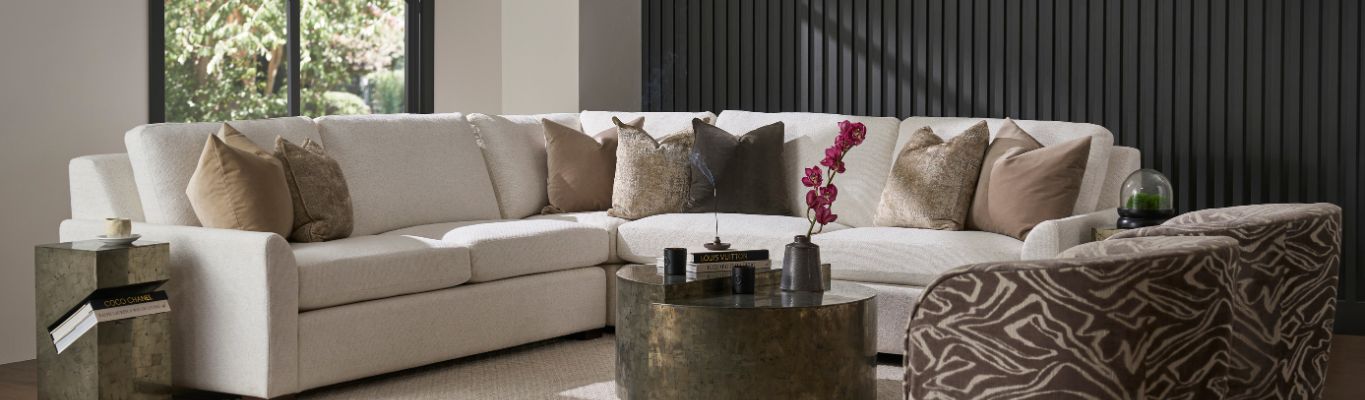
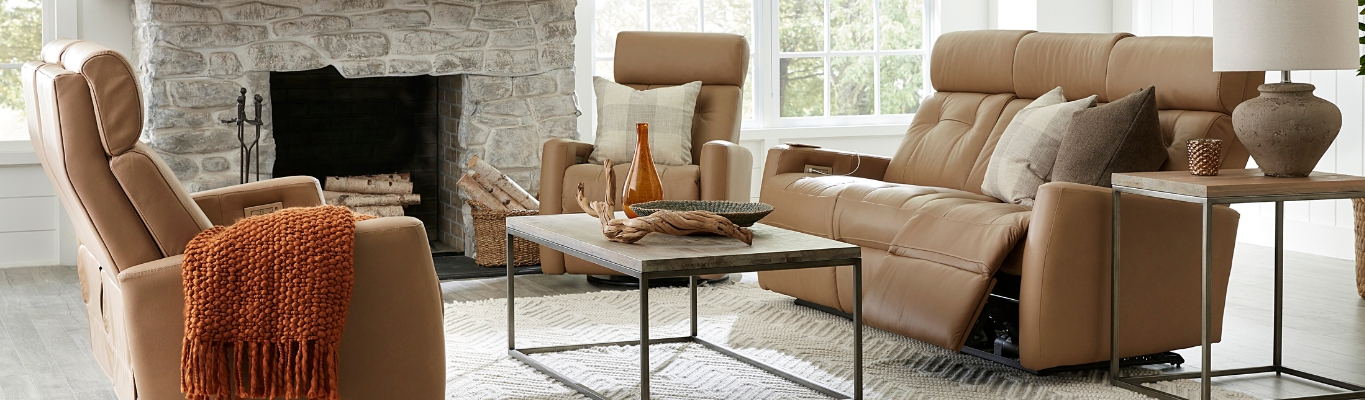
An accent wall can be more than merely paint. You can make it more interesting by adding materials such as tile or stone. You can also decorate the wall with artwork or fabric. Shelving is another option. These and other elements can blend in with the wall or provide contrast. Once you’ve chosen the color of the wall, you can experiment with other features.
5. Make Sure Your Furniture and Accessories Match the Wall
When you’ve chosen the color and design of your accent wall, you’ll want to make sure that everything else in the room matches it well. This is a good time to consider getting items from a Sarasota furniture store to complement the wall. Whether you’re considering a sofa, easy chair, cabinet, or any other item, make sure it’s a good match for your wall. You can also consider moving around items that you already have in your home.
An Accent Wall Adds to Your Home’s Atmosphere
You can use an accent wall, or perhaps several of them, to make your home more interesting. Before you start painting, be sure to plan it out, so you choose the colors and accompanying features that give you the best results. If you need furniture to go with your wall, Matter Brothers has a wide selection of items for every room in your home. Don’t hesitate to visit us at one of our 5 convenient locations or contact us for more information.