
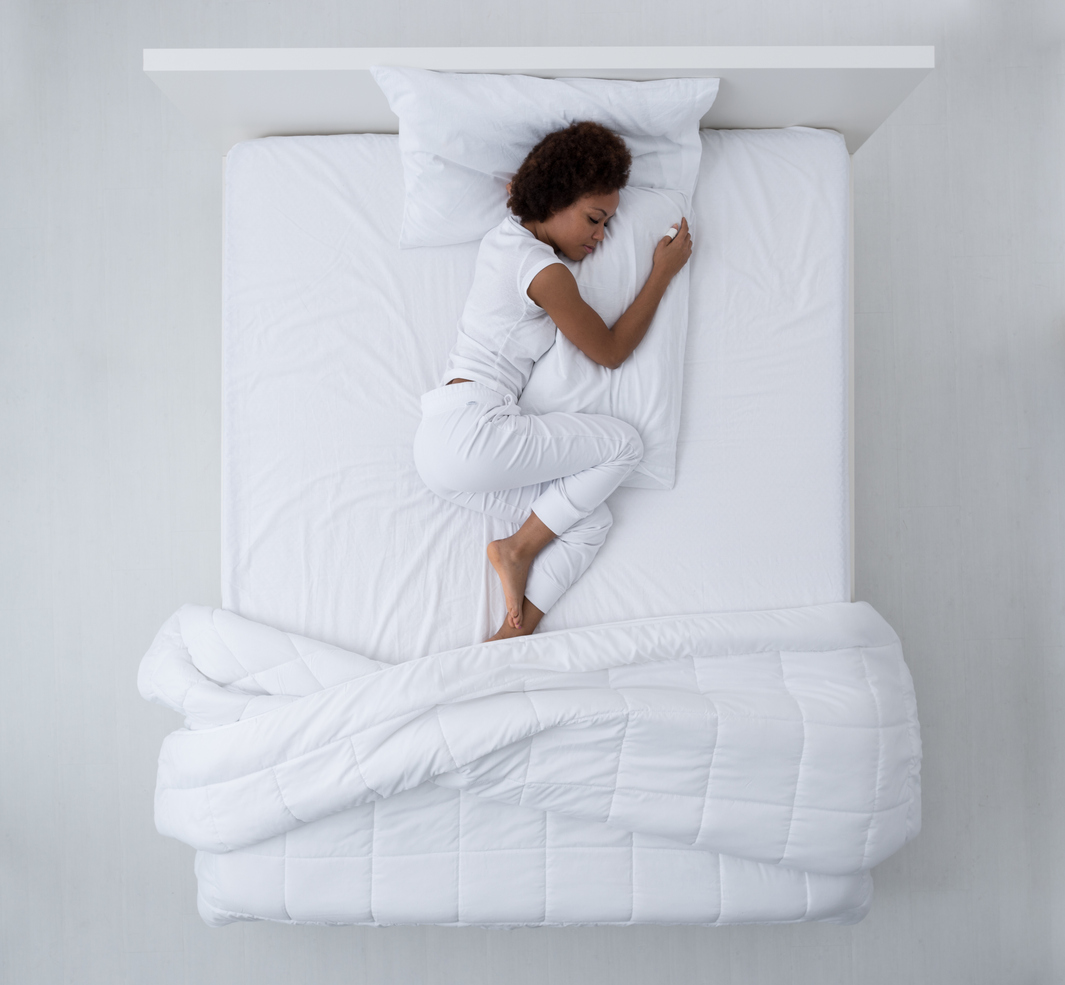
5 Ways Your Mattress Changes Over Time
You spend about a third of your lifetime on your mattress, and it has a significant effect on your wellbeing and human health. Without good sleep, your body won’t heal or rejuvenate itself, and your brain will hardly store memories or process emotions. If your mattress is still new with the expected quality standards, you will wake up with renewed energy and alertness to tackle each day. Over time, it may not have the same qualities, and you may start experiencing pains, stiffness, or tiredness throughout the day. At this point, you might want to replace your mattress with a new one to improve the quality of your sleep. Below are essential to watch out for the following signs that your mattress changes:
When It’s Saggy
If there is an imprint of your body’s shape in your mattress, it shows that it’s overly worn. It’s due to the foam or springs breaking down and can no longer provide the necessary support. Whether you use foam, pillow top, or fiber material mattress, it can break down in the long term.
You will start experiencing pain in your shoulders, neck, back, and hips because your mattress can’t offer reliable support anymore. Even worse, it will constantly disrupt your sleep.
It Feels Softer or Harder Than When You Purchased It
In case you have used your mattress for a while, you may not quickly tell when it’s time to change. While it might be tricky to assess, you might need to replace it if it feels softer, harder, or other mattress changes.
Remember how it felt going to bed in your initial year and make a comparison with the last few nights. If you are no longer excited, comfortable, or happy on your mattress, it’s a good sign that it needs change.
Your Mattress Has Frayed and Worn Edges
A mattress can have worn-out or frayed edges, but it still doesn’t affect your sleep, and you may end up ignoring this sign. However, note that most manufacturers build these mattresses to last as long as possible. Therefore, if it has frayed and worn edges, it’s past the expected lifespan, and it’s time for mattress changes.
It’s Noisy
Your mattress shouldn’t make any popping, groaning, or creaking noise when you turn or toss, even when using mattresses with coils or springs. However, after some years, you may start to hear some noise due to the inner workings’ problems or loss of springiness. If left unchecked, it will negatively affect the quality of your sleep.
It’s Uncomfortable
If you enjoy sleeping at a friend’s place or in a hotel, it might be a result of an uncomfortable bed in your home. You might think you’ve mastered some comfy parts on your mattress, but you may have adjusted to discomfort with time. Still, a bed may appear comfortable in a showroom, but it doesn’t perform as expected once you get home.
Note that the upper part of your mattress has comfort layers that provide bodily support and pressure relief. In the long-term, the layers will eventually break down, causing poor sleep, among other health effects. Also, be cautious while purchasing a mattress since you might need to replace a low-quality one sooner than expected.
When Your Mattress Changes, Find a New One
A good mattress is essential for a good night’s sleep and, subsequently, your productivity during the day. As such, while shopping for one, always consider quality before price. Also, it helps to buy your mattress from a trusted and credible dealer to guarantee comfort and longevity. For more mattress tips, contact us or visit our Tarpon Springs mattress store today, and let’s help you choose a mattress tailored to your needs.